
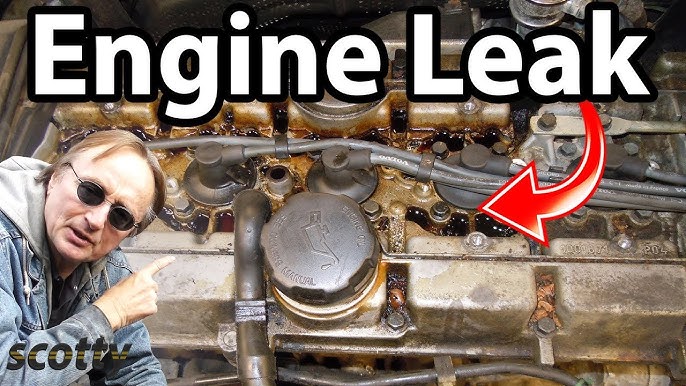
An engine oil leak is one of the most common vehicle issues drivers face, yet it’s often ignored until serious damage occurs.
Engine oil lubricates internal components, reduces friction, and prevents overheating.
When an engine oil leak occurs, critical engine parts lose protection, increasing the risk of wear, overheating, and even engine failure. While some leaks are minor and inexpensive, others indicate failing seals or gaskets that require immediate attention.
Understanding what causes engine oil leaks, how they are diagnosed, and how to repair an engine oil leak helps drivers protect their engines and avoid high repair bills, including engine oil leak repair cost.
For serious or persistent issues, consulting a professional engine repair Houston service ensures proper diagnosis and long-term engine protection.
What Causes an Engine Oil Leak?
Engine oil leaks typically occur when seals, gaskets, or components degrade over time. Common causes include:
- Worn valve cover gaskets are allowing oil to seep onto the engine
- Damaged oil pan or drain plug from road debris or improper servicing
- Failed crankshaft or camshaft seals
- Loose or deteriorated oil filter
- High engine pressure caused by a clogged PCV valve
- Aging rubber seals exposed to heat and vibration
Heat cycles and normal wear gradually weaken engine seals, making engine oil leaks more likely as vehicles age. If you notice any signs of leakage, it’s important to consult a trusted auto repair near me to prevent further engine damage.
Signs of an Engine Oil Leak
Early detection can prevent severe engine damage. Common cracked engine block symptoms include:
- Oil spots or puddles under the vehicle
- Burning oil smell, especially after driving
- Blue smoke from the engine bay or exhaust
- Low oil levels despite regular top-offs
- Oil-coated engine components
- Dashboard oil pressure or warning light
Ignoring these signs of an engine oil leak can lead to oil starvation, overheating, and internal engine damage.
How Engine Oil Leaks Are Diagnosed
Identifying the exact source of the leak is critical for proper engine oil leak repair. Professionals may use:
- Visual inspection of gaskets, seals, and the oil pan
- UV dye testing to trace leak paths
- Degreasing the engine and monitoring for fresh leaks
- Oil pressure testing
- Inspection of the PCV system
Accurate diagnosis prevents unnecessary part replacement and reduces engine oil leak repair costs.
How to Repair an Engine Oil Leak
Repairing an engine oil leak depends on the leak’s location, severity, and underlying cause. Here are the most common repair methods:
Replacing Gaskets or Seals
Valve cover gaskets, oil pan gaskets, and timing cover gaskets are common failure points. Replacing these components often stops leaks completely.
Best for: External oil seepage
Difficulty: Moderate
Repairing or Replacing the Oil Pan
Cracked, dented, or corroded oil pans can leak continuously. Minor damage may be sealed with epoxy or specialized sealants, but severe damage requires full replacement.
Best for: Impact-related leaks
Difficulty: Moderate to High
Tightening or Replacing the Oil Filter or Drain Plug
Oil leaks after routine service often stem from a loose drain plug, a damaged washer, or an incorrectly installed oil filter. Proper tightening or replacement usually resolves the issue.
Best for: Recent oil service leaks
Difficulty: Low
Fixing PCV System Issues
A clogged PCV (Positive Crankcase Ventilation) valve increases crankcase pressure, forcing oil past gaskets and seals. Replacing or cleaning the valve often stops multiple leaks.
Best for: Multiple seal leaks
Difficulty: Low
Engine Seal Replacement
Front or rear main seal leaks are more complex, sometimes requiring partial engine disassembly. Replacing these seals is a reliable solution for persistent oil loss.
Best for: Persistent or severe oil leaks
Difficulty: High
Tip: Identifying the exact leak source is critical before attempting repairs. Minor leaks can often be fixed with simple parts replacement, while major leaks may require professional engine service.
Engine Oil Leak Repair Cost
Repair costs vary by the source of the engine oil leak:
- Oil filter or drain plug repair: $50 – $150
- Valve cover gasket replacement: $200 – $600
- Oil pan gasket replacement: $400 – $1,000
- Front or rear main seal repair: $800 – $2,500+
Early engine oil leak repair is significantly cheaper than repairing damage caused by prolonged leaks.
When to Seek Professional Help
Immediate service is recommended if:
- Oil leaks are rapid or worsening
- Oil pressure warning lights appear
- Burning smells or smoke are present
- Oil levels drop quickly between checks
Driving with an active engine oil leak risks engine seizure and catastrophic failure. Searching for auto repair near me ensures professional diagnosis and repair.
Key Takeaways
- Engine oil leaks are common but should never be ignored.
- Most leaks come from worn gaskets, seals, or improper service.
- Accurate diagnosis is critical to reduce engine oil leak repair costs.
- Early engine oil leak repair prevents engine damage and expensive replacements.
- Professional inspections provide safe, long-term engine protection and reliability.




Leave a Reply