
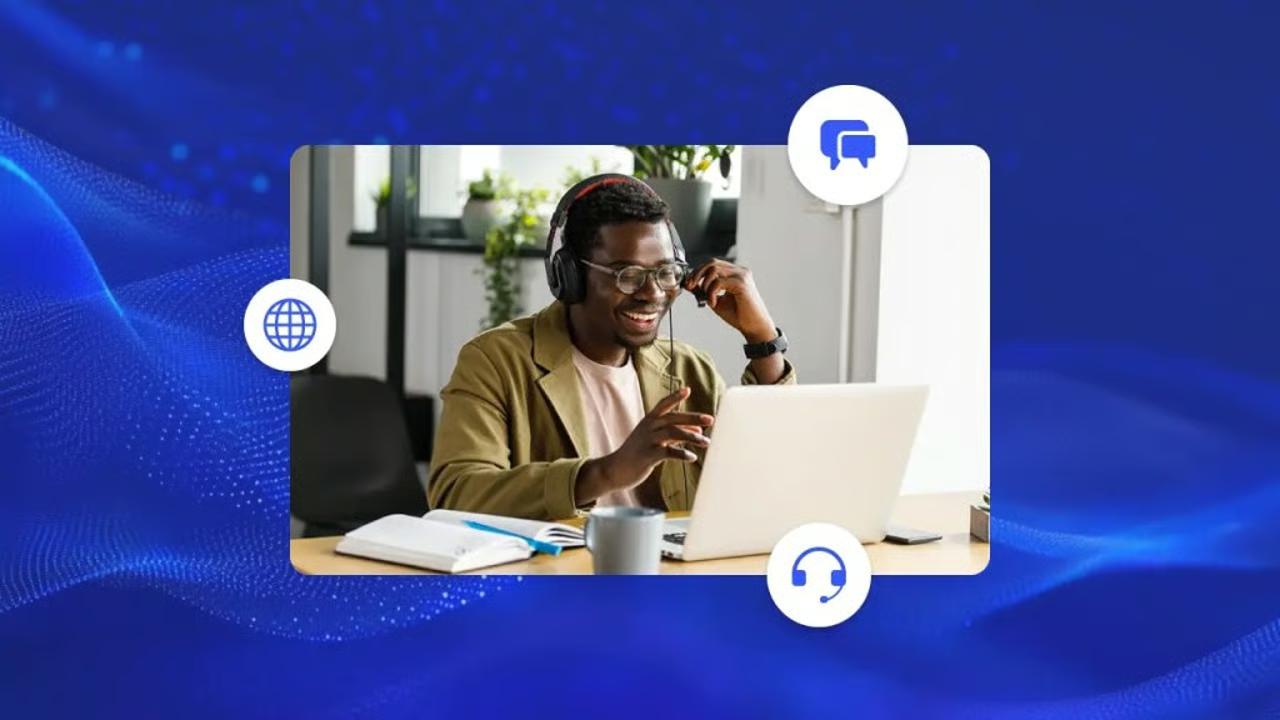
The way businesses operate, connect, and build workplace identity has changed forever due to the global shift to remote work. What started out as a short-term fix has turned into a long-term structural adjustment. Online platforms like 22bit India changed entertainment. Similarly, remote work has transformed business culture. It has pushed work beyond traditional office walls. Nowadays, companies are reconsidering what it really means to be a part of a company.
The Reimagining of the Office
The foundation of business culture for many years was physical presence. Offices represented everyday interaction, hierarchy, and teamwork. In-person brainstorming, coffee breaks, and morning meetings were key to teamwork and productivity.
That presumption was called into question by remote employment. Companies had to separate culture from geography as workers began to work from home. Arrival time and stay time were no longer factors in productivity. Rather, the new performance metrics were outcomes, clear communication, and digital collaboration tools.
This change prompted companies to assess how much of their culture was just habit and how much was actually valuable.
Interaction in the Digital Age
Intentional communication is one of the most significant changes brought about by remote employment. In real offices, casual discussions frequently resolved minor problems fast. Structure is necessary for communication in remote settings. Collaborative platforms, video calls, and clear messages replaced casual desk chats.
Many firms found that more transparency was helpful. Some people worried it might hurt corporate culture. The documentation improved. The expectations became more apparent. Workers were urged to write down their thoughts, which frequently led to more deliberate contributions.
But there are drawbacks to the digital world as well. Teams may become isolated or misaligned if careful effort isn’t made. In a distant place, a strong corporate culture thrives. It grows through regular interactions. There’s no need for constant monitoring.
Accountability and Trust
Working remotely changed the emphasis from desk time to quantifiable results. Supervisors had to have faith in staff members to handle their own timetables and tasks. This shift revealed weaknesses in leadership. It emphasized physical oversight over strategic direction.
Businesses that effectively adjusted adopted autonomy. They established specific objectives and permitted freedom in how they were accomplished. Employee retention and satisfaction were frequently increased by this strategy. People feel more motivated when they are trusted. They also take more responsibility for their work.
In the future, corporate culture will focus more on results. It will value accountability over just being present.
Flexibility and Work-Life Balance
Working remotely sparked a fresh discussion about balance. Many employees felt better when they could plan their schedules around personal needs. The line between personal and professional lives got blurrier at that time.
Some employees overwork because their home and office are in the same place. Eliminating strict timetables and commuting benefits others. How businesses manage this divide will shape corporate culture going forward.
In this new environment, companies that offer flexibility will do well. Setting clear working hours and prioritizing mental health are key to success.
Changing Offices and Hybrid Models
Some industries thrive with remote work, but many companies are now choosing hybrid setups. Instead than being required everyday workspaces, offices are becoming sites for cooperation. Contemporary offices are now being redesigned. Instead of rows of desks, they focus on meetings, workshops, and team building.
This change is indicative of a larger shift in culture. Buildings no longer define a company’s identity. It is influenced by leadership ideology, communication techniques, and common ideals.
The Path Ahead
Working remotely is not a passing fad. It shows a big shift in how businesses view trust, teamwork, and production. Future corporate culture will focus on digital fluency. It will emphasize human connection, even from afar, and prioritize agility.
Businesses will set the standard. They will embrace flexibility but still ensure clear communication and a shared goal. Culture is no longer confined to workplace walls in this changing environment. Regardless of the location from which employees log in, it is something that was purposefully created.




Leave a Reply