
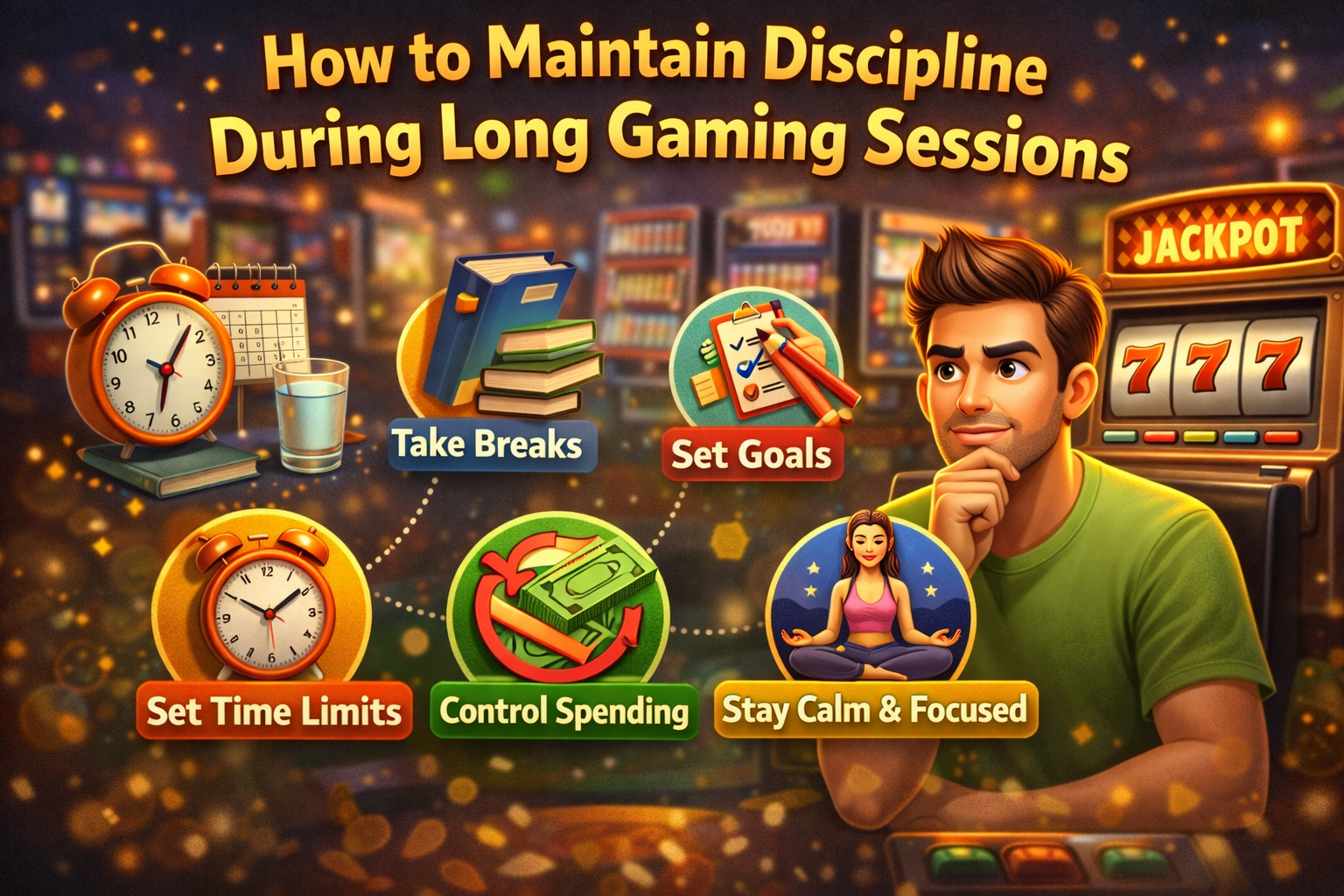
Description: Learn practical strategies to maintain discipline during long gaming sessions in India. Discover how time limits, structured schedules, bankroll management, and responsible gaming tools help prevent burnout, emotional decisions, and reckless betting. These tips support balanced, controlled, and enjoyable gaming without financial or mental stress.
Staying in Control When the Game Goes Long
Long gaming or betting sessions often begin with focus and excitement but can quietly turn risky when discipline fades. In fast-paced digital platforms, common across India’s growing online gaming space, hours can pass unnoticed. Without clear limits, players may continue beyond healthy boundaries, increasing the likelihood of mistakes and unnecessary losses.
Mental fatigue is one of the earliest consequences of extended play. As concentration drops, decision-making becomes slower and less rational. This can lead to impulsive actions, overconfidence after small wins, or frustration-driven bets after losses. Such patterns reduce strategic thinking and weaken the ability to assess risk accurately.
Financial impact is another major concern when discipline is ignored. Continuous play can blur the line between planned spending and reckless wagering. Over time, small uncontrolled bets may add up to significant losses. Maintaining discipline helps ensure that gaming remains a controlled form of entertainment rather than a source of stress or financial strain.
When Extended Play Turns Into a Risky Cycle
Prolonged gaming or betting sessions place significant strain on the mind, often leading to burnout. Continuous exposure to wins, losses, and rapid game outcomes can overwhelm emotional balance. As mental energy declines, players may struggle to think clearly, increasing the chances of reactive rather than calculated decisions.
One of the most common psychological risks is emotional decision-making. Frustration after losses or excitement after wins can push players to abandon planned strategies. This emotional shift often results in chasing losses, where additional bets are placed in an attempt to recover money quickly. Instead of improving outcomes, this behaviour usually deepens financial setbacks.
Mental exhaustion also affects financial control. Tired players are less likely to track spending accurately or respect limits. In India’s fast-growing online gaming environment, where access is constant, this combination of fatigue and emotional pressure can lead to reckless betting patterns and long-term financial stress.
Defining Purpose Before the Game Begins
Clear objectives play a crucial role in maintaining discipline during long gaming sessions. When goals are undefined, players often drift into extended play driven only by the hope of winning. This lack of direction increases the risk of impulsive decisions and weakens control over time and spending.
Setting specific intentions helps frame gaming as a structured activity. Some players may aim purely for entertainment, while others focus on improving skills or testing strategies in controlled conditions. Even when engaging with fast-paced games like Chicken Road, establishing limits on wagering and session length keeps the experience predictable and manageable.
Well-defined objectives also support better emotional balance. When the purpose is clear, outcomes such as losses or small wins are easier to accept without overreaction. For players in India’s competitive online gaming environment, goal-setting shifts focus away from unrealistic expectations of constant profit and toward responsible, disciplined play.
Controlling Playtime Before It Controls You
Setting a fixed time limit for each gaming session is one of the most effective ways to maintain discipline. Without a pre-decided duration, sessions can extend far longer than intended, especially on fast-moving digital platforms. Clear time boundaries help players stay focused and prevent gaming from interfering with daily responsibilities.
Time limits also reduce the risk of fatigue-driven mistakes. As sessions stretch on, attention naturally declines, increasing the likelihood of poor decisions and unnecessary bets. Fast-paced games with quick rounds can make time feel compressed, making structured limits even more important to avoid unplanned overplay.
Simple tools like alarms, timers, or in-app reminders provide practical support. These signals act as neutral prompts to pause or stop, removing emotional influence from the decision. In India’s always-connected gaming environment, fixed session durations encourage balance, helping gaming remain a controlled and enjoyable activity rather than an exhausting habit.
Balancing Gaming With Daily Responsibilities
A structured gaming schedule helps ensure that play fits naturally into everyday life rather than disrupting it. By allocating specific days and time slots for gaming, players can prevent sessions from overlapping with work, studies, or essential household duties. This approach supports discipline by turning gaming into a planned activity instead of a spontaneous habit.
In the Indian context, where family time, education, and professional commitments often demand consistent attention, scheduling becomes especially important. Clear boundaries make it easier to prioritise responsibilities while still enjoying leisure activities. Even fast-paced games like Chicken Road are better managed when played within predefined time windows.
Consistency in scheduling also reduces the urge to play excessively. When gaming has an assigned place in the routine, there is less temptation to extend sessions late into the night or during busy periods. This balance allows recreation to remain refreshing rather than becoming a source of stress or conflict.
Protecting Finances Through Smart Fund Allocation
Effective bankroll management begins with a clear separation between gaming funds and essential expenses. Money meant for rent, food, education, savings, or family obligations should never be mixed with gaming budgets. This separation creates a strong financial boundary that protects everyday stability.
Only disposable income should be allocated for gaming or betting activities. Disposable income refers to funds left after all necessities and commitments are covered. Using this approach ensures that gaming remains a form of entertainment rather than a financial risk. In India, where household budgeting often supports extended families, this discipline is especially important.
Maintaining a dedicated gaming budget also reduces emotional pressure during play. When losses occur within affordable limits, decision-making remains calm and controlled. This prevents desperate attempts to recover money needed elsewhere. By treating gaming funds as non-essential and limited, players can enjoy longer sessions with greater control and significantly lower financial stress.
Limiting Risk One Session at a Time
Breaking a total gaming bankroll into smaller session-based budgets is a practical way to maintain control. Instead of accessing all available funds at once, allocating a fixed amount for each session creates a natural spending boundary. This approach helps prevent sudden, impulsive bets driven by emotion or overconfidence.
Session budgets also make gameplay more sustainable. Smaller limits encourage thoughtful decision-making and reduce the pressure to recover losses quickly. When a session budget is exhausted, play naturally comes to an end, protecting the remaining funds for future sessions. This method supports longer-term enjoyment without exposing the entire bankroll to short-term risk.
In the Indian gaming environment, where online platforms offer constant access, session budgeting acts as a strong discipline tool. It turns gaming into a measured activity rather than a continuous financial drain. By spreading funds across multiple sessions, players gain better control, clearer awareness of spending, and reduced chances of major losses.
Drawing the Line Between Control and Impulse
Setting clear win and loss thresholds before a gaming session begins helps maintain discipline when outcomes become unpredictable. These predefined limits act as firm boundaries that guide decisions, regardless of whether the session starts with success or setbacks. Knowing when to stop removes uncertainty and reduces the influence of emotions.
Stop-win limits are designed to protect profits. When a target is reached, continuing to play often increases the risk of giving back gains due to overconfidence or excitement. On the other hand, stop-loss limits prevent losses from escalating. They help avoid frustration-driven decisions that commonly follow unexpected setbacks during extended play.
In the Indian online gaming landscape, where games are accessible at all hours, these thresholds provide structure and financial protection. By relying on predetermined limits rather than momentary emotions, gaming remains controlled and predictable. This approach supports long-term sustainability and reduces the risk of impulsive behaviour that leads to unnecessary losses.
Letting Built-In Safeguards Do the Hard Work
Modern gaming platforms offer responsible gaming tools designed to support discipline and control. These features are especially valuable during long sessions, where fatigue or emotion can weaken judgment. Using platform limits shifts part of the responsibility from momentary decisions to predefined safeguards.
When activated correctly, these tools help manage both time and money without constant self-monitoring. They are widely available on regulated platforms used in India and are intended to promote healthier gaming habits rather than restrict enjoyment. Key platform features that support disciplined play include:
- Deposit limits: Restrict the maximum amount of money that can be added within a set period, preventing overspending.
- Session reminders: Provide time-based alerts that prompt players to review how long they have been playing.
- Self-exclusion tools: Allow temporary or long-term breaks from gaming access to prevent loss of control.
Using these tools consistently helps maintain structure, accountability, and balance throughout extended gaming sessions.




Leave a Reply