
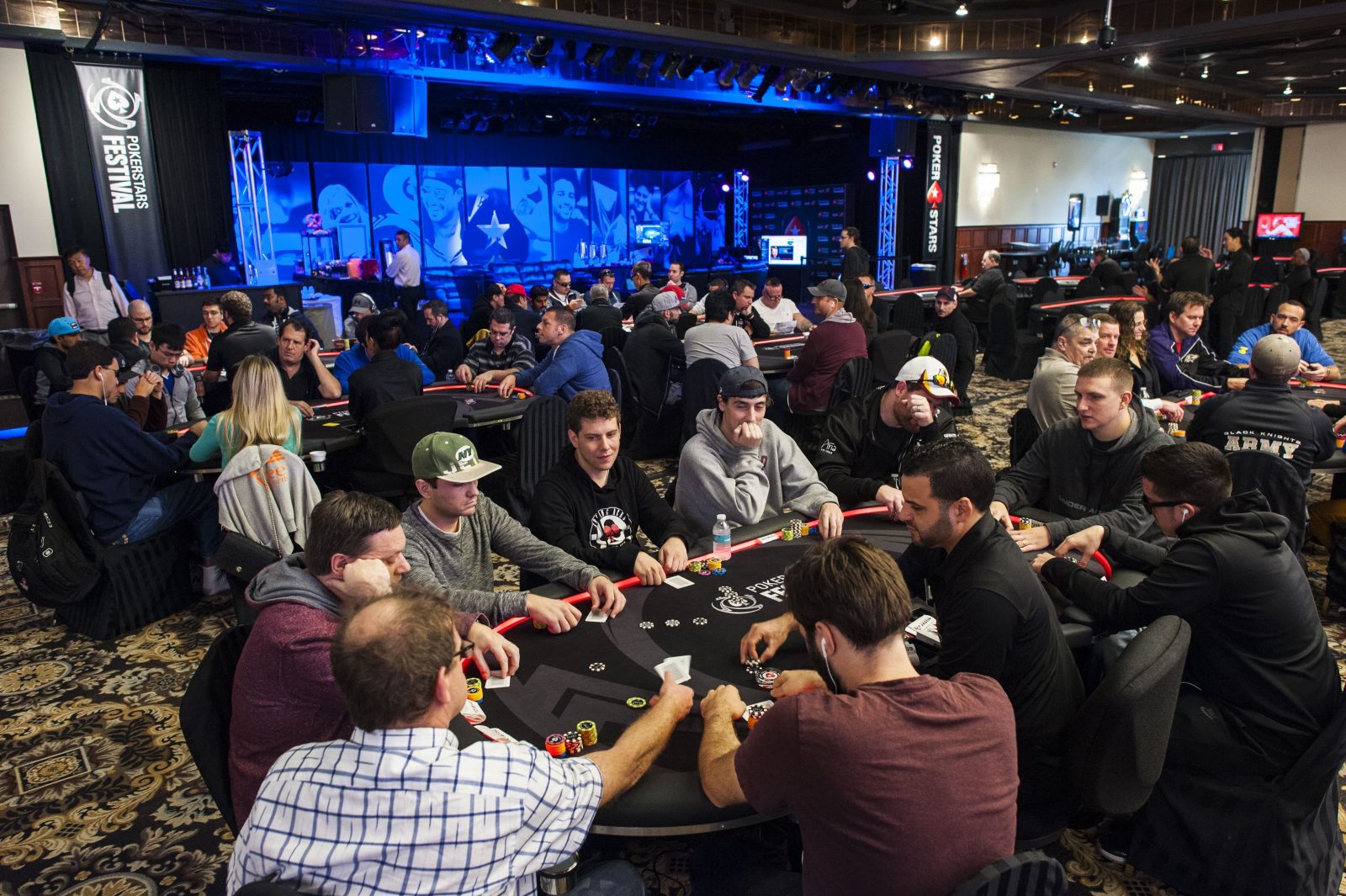
There’s something special about the poker tour lifestyle that draws people in from all walks of life. It’s not just about the cards or the money—though those certainly play a role. It’s about the combination of competition, travel, and those unforgettable moments when everything comes together at a felt table somewhere far from home.
Professional poker tour players and enthusiastic amateurs alike find themselves chasing tournaments across continents, living out of suitcases, and experiencing cities through the unique lens of the poker circuit. It’s a lifestyle that looks glamorous from the outside, and honestly, it can be. But it’s also demanding, unpredictable, and requires a specific kind of person to thrive in it.
The Pull of Tournament Poker
Regular casino poker is one thing. You can show up at your local card room any night of the week, play for a few hours, and head home. Tournament poker on the circuit is a completely different animal. These events draw hundreds or sometimes thousands of players, all competing for prize pools that can reach into the millions of dollars.
The structure of tournament poker creates a unique kind of pressure. You’re not just playing against the other people at your table—you’re playing against the entire field. One bad decision, one unlucky river card, and you’re done. No rebuy, no second chances in most cases. You pack your bags and figure out where the next tournament is happening.
Major poker tours like the World Poker Tour, European Poker Tour, and Asia Pacific Poker Tour have created a global circuit that runs year-round. Players can literally spend twelve months traveling from event to event if they have the bankroll and the stamina for it. Each stop brings new venues, different player pools, and varying tournament structures that require constant adaptation.
The buy-ins range dramatically too. Some events cost a few hundred dollars to enter, making them accessible to recreational players taking a shot at something bigger. Then you have the high roller events where the entry fee alone is fifty thousand dollars or more. These tournaments attract the biggest names in poker and create prize pools that can change lives with a single win.
Life on the Road
Living the poker tour lifestyle means getting comfortable with constant travel. You might spend two weeks in Barcelona for the EPT, then fly to Las Vegas for a World Series of Poker event, followed by a trip to Australia for the Aussie Millions. Your home becomes hotel rooms, airport lounges, and poker rooms that start to blend together after a while.
Some players love this aspect of the lifestyle. They get to see the world while doing something they’re passionate about. Every city offers new restaurants to try, sights to see during breaks between tournament days, and local culture to experience. Prague, Macau, Monte Carlo, San Jose—these aren’t just tournament stops; they’re destinations with their own character and appeal.
But the travel grind wears on people differently. Time zones mess with your sleep schedule. You’re constantly adjusting to new accommodations. Eating well becomes a challenge when you’re grabbing food between tournament levels or sustaining yourself on whatever’s available near the venue. Some players gain weight on the circuit, others lose it. Very few manage to maintain the same routines they’d have at home.
The social aspect cuts both ways too. You develop tight friendships with other players because you’re seeing the same faces event after event, city after city. There’s a real sense of community among the regulars on the tour. But you’re also away from family and friends back home for extended periods. Relationships suffer. People miss weddings, birthdays, and important family moments because they’re chasing tournaments halfway around the world.
The Financial Rollercoaster
Let’s talk about the money side of things, because this is where the poker tour lifestyle gets really interesting—and really stressful. Unlike regular jobs where you get a paycheck every two weeks, tournament poker players have wildly inconsistent income.
You might go months without a significant cash. You’re hemorrhaging money on buy-ins, travel expenses, hotels, and meals while watching your bankroll shrink. Then suddenly you hit a final table and bring in six figures over a weekend. The swings are enormous, and managing them requires serious discipline and financial planning that not everyone has.
Many players work with backers or sell pieces of their action to manage risk. Instead of putting up the full buy-in themselves, they sell percentages to investors who get a corresponding share of any winnings. This reduces variance but also cuts into profits when you do win. It’s a trade-off that makes sense for many players trying to play above their personal bankroll.
Travel costs add up faster than people realize. Flight prices fluctuate wildly depending on when and where you’re going. Hotels near major tournament venues often jack up their rates because they know poker players will pay. Then there are meals, ground transportation, entertainment during downtime, and all the other expenses that come with being in a city for one or two weeks.
Smart players budget carefully and track every expense. They know exactly how much each tournament trip costs them and what kind of results they need to stay profitable over the long run. Others wing it and end up broke despite having winning poker records because they never controlled the other costs associated with the lifestyle.
The Competition Factor
Tournament poker at the tour level features some of the best players in the world. You’re not sitting down with random tourists who wandered into a casino anymore. These are people who study the game seriously, understand advanced concepts, and have played thousands of hours at high levels.
Every tournament represents a test of skill, mental endurance, and sometimes luck. Days can last twelve hours or more. Your focus has to stay sharp while you’re playing hand after hand, making complex decisions under pressure, and reading opponents who are trying to do the same thing to you.
The mental game becomes crucial. How do you handle a bad beat that costs you half your stack? What do you do when you’ve been card dead for three hours and your chip stack is dwindling? Can you stay patient and disciplined when the player next to you is running hot and accumulating chips seemingly without effort?
Different players bring different strengths to the table. Some are mathematical geniuses who can calculate pot odds and equity in their sleep. Others are incredible at reading people and picking up tells. Some players are hyper-aggressive and put constant pressure on their opponents. Others wait patiently for premium hands and strong situations. Adapting to the players at your table while maintaining your own strategic approach is an art form.
The Stories Nobody Forgets
Ask anyone who’s spent time on the poker tour and they’ll have stories. The time they bluffed a world champion out of a huge pot. The ridiculous bad beat that knocked them out of a tournament they should have won. The crazy night out with other players in some city halfway across the world.
These experiences create bonds and memories that last long after the chips are counted and the tournaments end. You remember the guy from Australia who kept everyone at the table laughing during a tense final table. The rail of friends who showed up to support you during the biggest tournament of your life. The sunrise you watched from a hotel balcony after playing poker for sixteen straight hours.
There’s also the surreal nature of winning a major tournament. One minute you’re an unknown player grinding it out. The next you’ve got photographers in your face, tournament officials handing you a massive check, and your phone blowing up with congratulations messages. It’s a rush that’s hard to describe to people who haven’t experienced it.
Even the failures create stories worth telling. The time you misread your hand and thought you had a straight when you actually had nothing. The crucial decision you got wrong that you’ll replay in your head for years. These moments sting, but they’re also part of what makes the successes so sweet.


Leave a Reply